%201.webp)
Reduce browse abandonment by responding to visitor intent

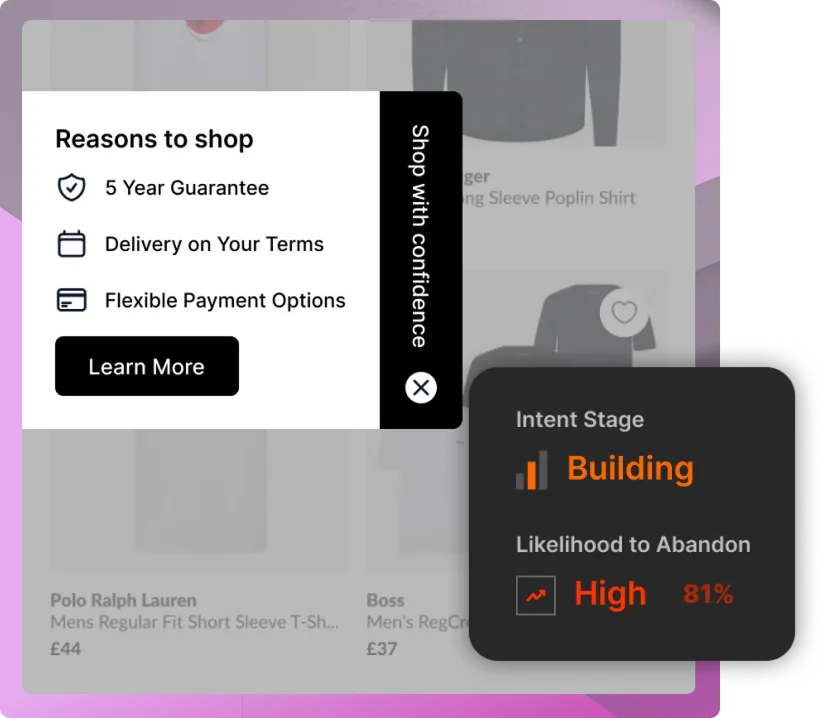
Our real-time optimisation agent
mirrors in-store timing and relevance


%201.webp)
Agentic Campaigns


Customer Spotlight





Works with (or without) 
the tools you already use


Launch intent-based 
personalisation in minutes
Join the 100+ eCommerce brands using èßäÊÓƵ


Browse abandonment FAQs
What is browse abandonment?

Browse abandonment happens when a shopper visits one or more product pages on your site and then leaves without adding anything to their basket. Unlike cart abandonment, where the purchase intent is already clear, browse abandonment captures visitors who are still in an earlier stage of decision-making. They're looking, comparing, and evaluating. Most brands try to recover these visitors after they've left, through follow-up emails or retargeting. But the more effective window is during the session itself, while the shopper is still on site and still deciding.
How is browse abandonment different from cart abandonment?
Cart abandonment happens when a shopper adds something to their basket but doesn't complete the purchase. Browse abandonment happens earlier, when someone visits a product page but never gets as far as adding anything. The practical difference is buying intent. Basket abandoners have shown a strong signal and are close to a decision. Browse abandoners are still in the evaluation stage, comparing options and working out whether to commit. That earlier position in the journey changes everything about how you should respond: what you show them, when you show it, and whether an incentive is even the right move at all.
Is responding to browse abandonment in real time more effective than a follow-up email?
A browse abandonment email arrives after the visitor has already left, often hours later. By that point, they may have bought from a competitor, decided against it altogether, or simply moved on. On-site intervention works at a different moment. It responds to abandonment signals while the shopper is still on the site, still deciding. That timing difference matters. A relevant nudge shown at the right moment during a session is far more likely to keep someone engaged than a recovery email the next morning. The two approaches aren't mutually exclusive, but they operate at very different points of influence.
What causes a high browse abandonment rate?
Several things contribute. Visitors may be early in their research, comparing multiple brands before they're ready to commit. They may have hit a friction point: pricing uncertainty, a lack of trust signals, or unclear delivery information. Or the on-site experience simply isn't doing enough to progress the decision. High browse abandonment doesn't always mean visitors aren't interested. Often it means they need a better reason to stay engaged. The key is distinguishing visitors who are genuinely on the verge of leaving from those who are just taking longer to decide, and responding accordingly rather than treating every exit signal the same way.
How do you know which browsing visitors are actually worth intervening with?
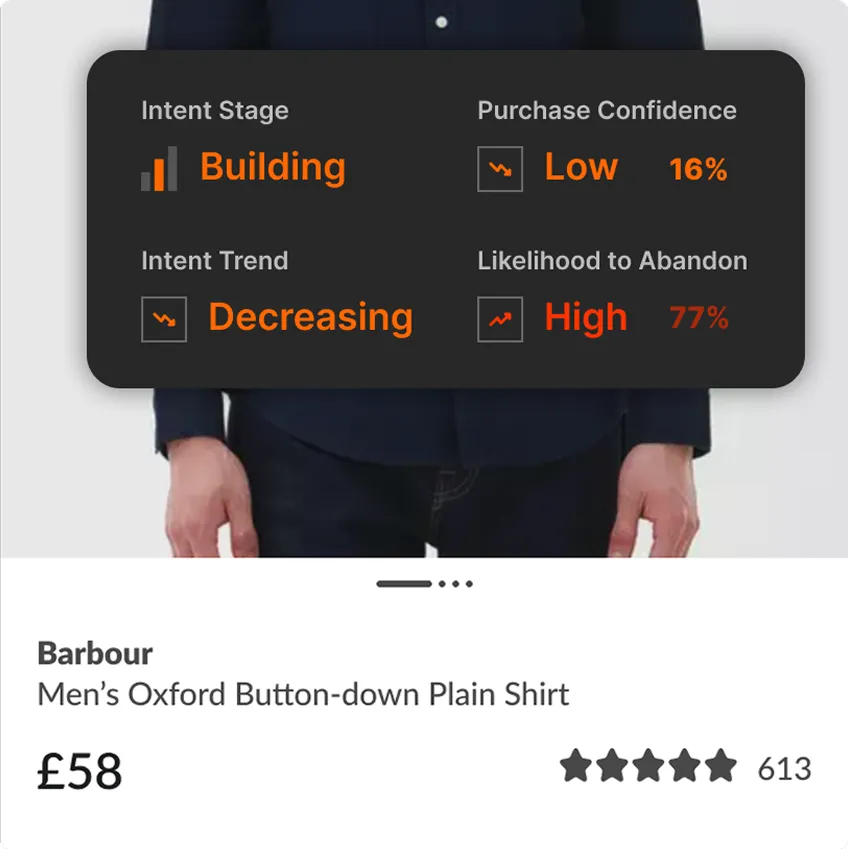
Not every visitor who shows signs of disengagement should be targeted. Someone who has browsed three product pages in 20 minutes without adding anything looks very different from someone who loaded one page and left immediately. èßäÊÓƵ signals like page depth, time on site, scroll behaviour, product interactions, and session history tell a more complete story than any single action. Identifying which visitors are genuinely trying to decide, rather than on a longer consideration journey, is what separates a well-timed nudge from an unnecessary interruption. Intervening with the wrong visitor at the wrong moment can damage trust as much as doing nothing at all.
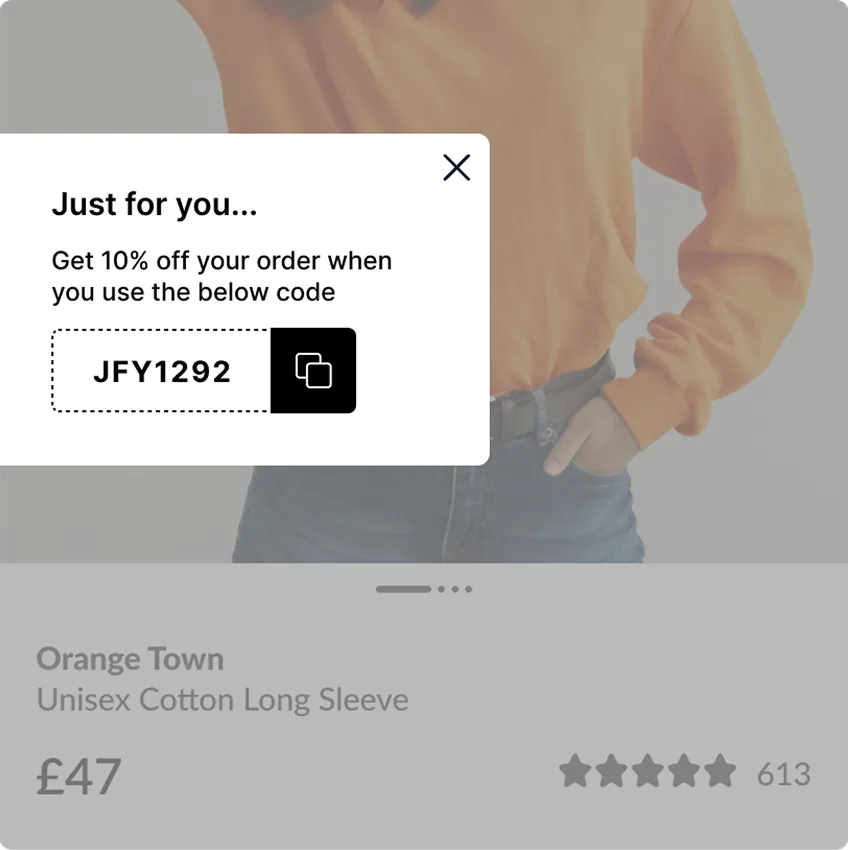
Does every visitor who looks like they're leaving need to see a discount?
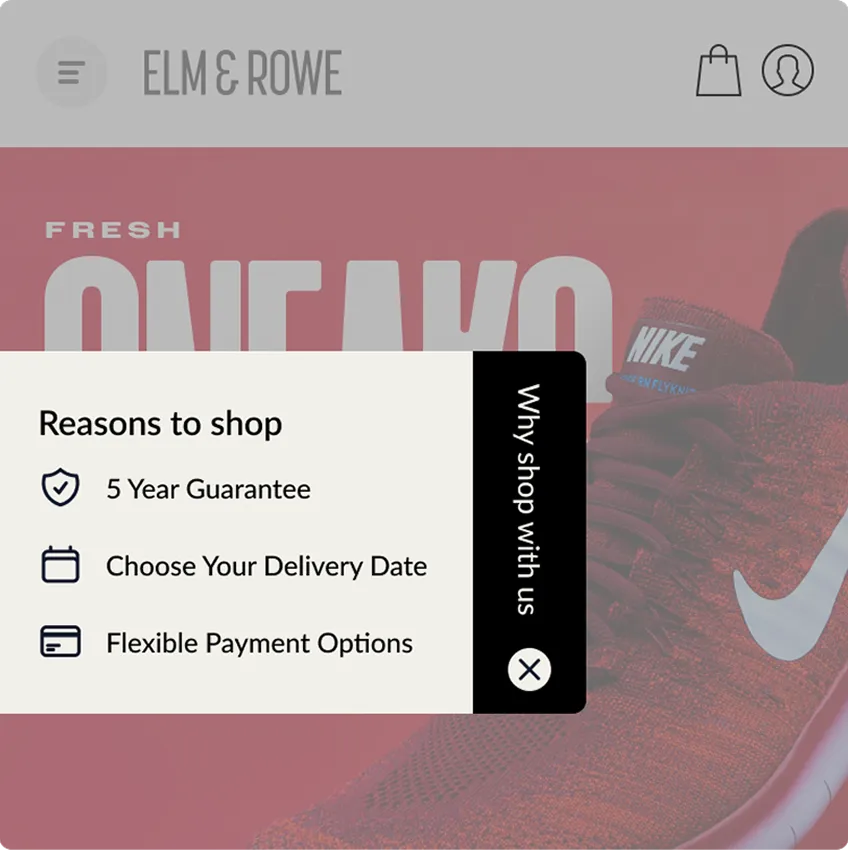
No. Showing one when it isn't needed is costly in more ways than one. Discounting a visitor who would have bought anyway gives margin away for free. For a visitor who was never going to buy in that session, a discount often does little more than condition them to wait for a deal next time. The more useful question is what that specific visitor actually needs to continue their journey: social proof, reassurance about delivery or returns, a clearer answer to an objection, or simply a bit more time. Knowing which response fits requires understanding buying intent, not just spotting an exit signal.