%201.webp)
Prioritise onsite content based on visitor intent

Our real-time optimisation agent
mirrors in-store timing and relevance


%201.webp)
Agentic Campaigns


Customer Spotlight


shopping for. We no longer just assume what products or categories
visitors are most interested in. We know.�

Works with (or without) 
the tools you already use


Content Prioritisation FAQs
Website personalisation is the practice of adapting what a visitor sees based on who they are or what they're doing. Rather than showing every visitor the same homepage, the same promotions, and the same product recommendations, personalisation adjusts the experience to match individual context. That context can come from many sources. Browsing history, past purchases, geographic location, and signals from the current session all play a role. The goal is to make the site feel relevant rather than generic, and to surface the content most likely to help each visitor at that point in their journey.
Personalisation is about tailoring the experience to the individual. Content prioritisation is about deciding what content, messaging, or products take precedence within that experience. They're related but distinct. A site might personalise by recognising that a visitor is interested in womenswear. Content prioritisation then decides whether the featured hero image should show a dress or a coat, based on what that specific visitor has been looking at. Personalisation defines the audience. Content prioritisation determines what that audience sees first, and in what order, based on real-time intent signals rather than static assumptions.
Because the same content can't be equally relevant to everyone. A visitor who bought from you six months ago and is back to browse a specific category needs different content to a first-time visitor who has just landed from a paid ad. Showing them the same hero image, the same promotions, and the same recommendations treats them as the same person. Some will find what they need. Many won't. Conversion rates fall not because the content is weak, but because good content reaches the wrong person at the wrong time.
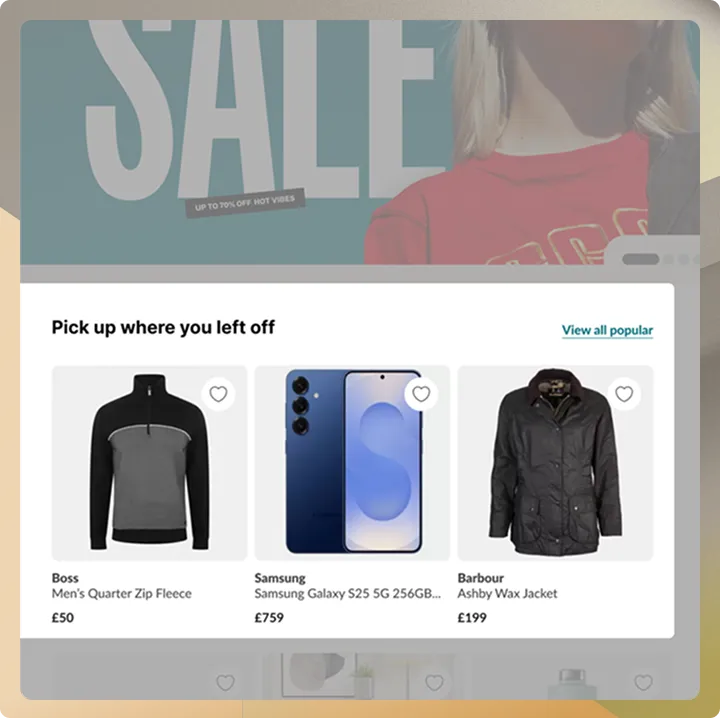
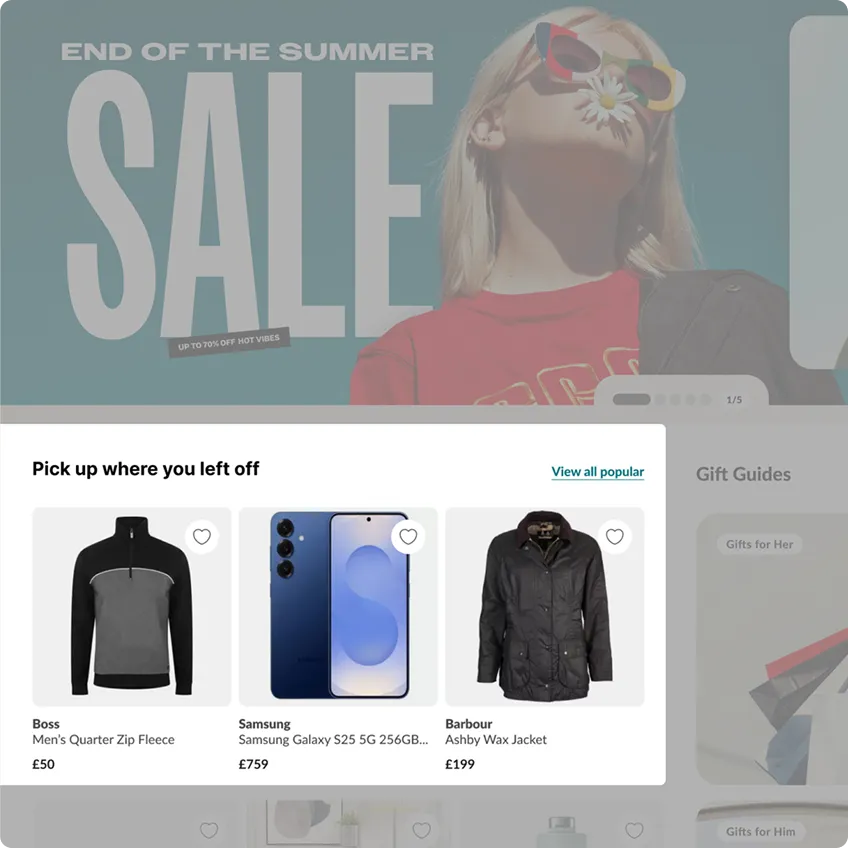
The most useful signal is what the visitor has shown interest in across previous sessions and in the current one. A returning visitor who has browsed outerwear three times is not the same as one who has only ever looked at footwear. Surfacing content that reflects their demonstrated interests, whether in the homepage hero, featured categories, or the order in which recommendations appear, removes friction from the visit. They don't have to navigate back to where they left off. The site recognises where they are in their journey and responds accordingly.
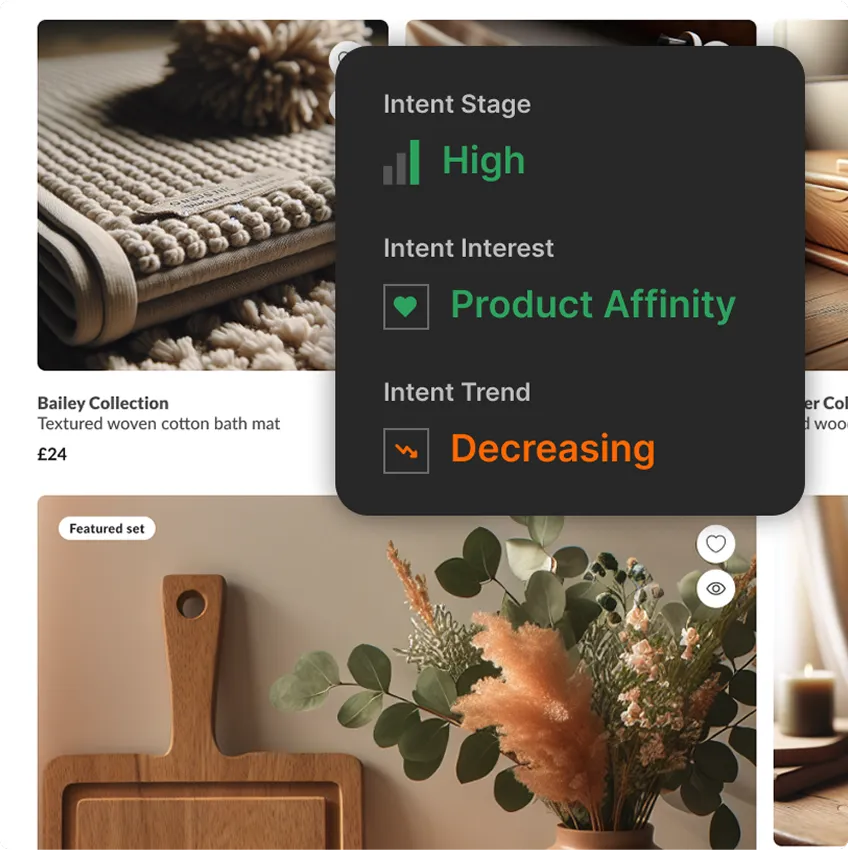
The most valuable data is behavioural and current. What has this visitor looked at in this session? Which categories have they spent the most time in? Have they returned from a previous visit, and if so, what did they do then? This real-time session data is often more useful than historical purchase data alone, because it tells you where a visitor is right now, not just where they've been. Combined with category affinity signals, it gives you enough to make content prioritisation decisions that feel responsive rather than coincidental.
Yes, and the effect can be meaningful. When the main visual content on a homepage reflects a visitor's demonstrated interests, they engage more quickly and navigate more purposefully. Seasalt Cornwall saw an 8% increase in conversion and a 7x increase in CTA interactions after personalising their homepage banner based on visitor intent. The effect is strongest when personalisation responds to real-time signals rather than recency data alone. A returning visitor who is actively researching a category responds differently to that category being featured immediately on arrival.
Launch intent-based content prioritisation in minutes
Join the 100+ eCommerce brands using èßäÊÓƵ


